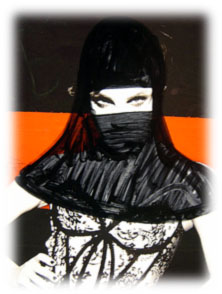



There is a sinister elegance to Steven Zaillian’s vision of Ripley. In his staggering Netflix adaptation, Tom Ripley does not stalk his prey from the shadows, nor does he wear the chaotic grimace of a typical cinematic villain. Instead, captured through Robert Elswit’s breathtaking, high-contrast monochrome cinematography, Ripley glides effortlessly through a stark and sculptured Italy. Every frame is composed like a Caravaggio painting—shadows carving out stone staircases, light catching the cool glint of a fountain, and Andrew Scott moving through it all with hypnotic, understated precision.
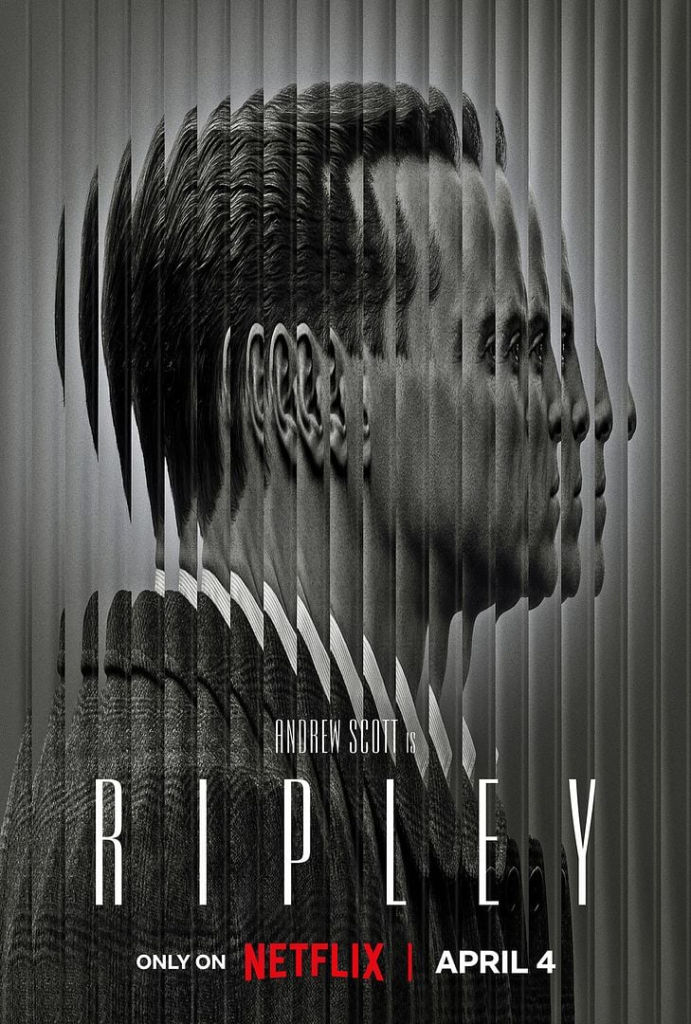
Zaillian’s directorial genius lies in treating impression management not just as a plot device, but as a visual art form. Ripley is a master curator. In psychological terms, he is the quiet embodiment of the Dark Triad: a lethal convergence of Narcissism (an insatiable need for idealized admiration), Machiavellianism (cold, calculated strategy), and Psychopathy (a total, icy void where human empathy should be).
What makes Ripley so visually and psychologically haunting isn’t the violence—it is the exquisite beauty Zaillian and Elswit paint around it. They prove that the most dangerous people rarely look like monsters. They look like art.
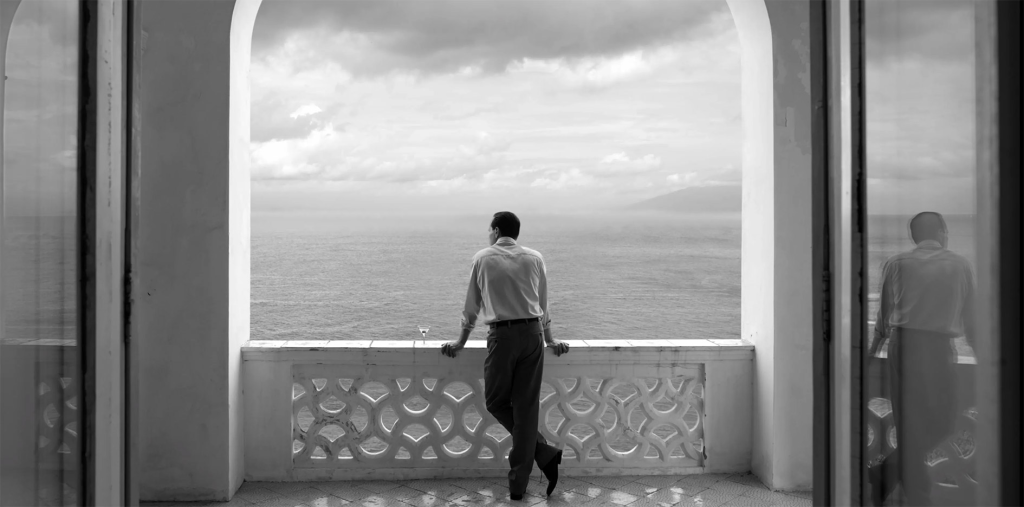
The Artistry of the Mask
We are conditioned to expect malice to look ugly. We expect bad actors to carry visible warnings. But the high-functioning end of the Dark Triad operates behind a fortress of exquisite curation. Thet have a narcissistic polish which is a flawless public gallery. That is framing themselves as moral authorities, pillars of integrity, or the most dedicated companions. They see life as a Machiavellian chessboard. Every gesture is calculated; every emotional display is transactional. Relationships are not bonds; they are structural assets to be leveraged. Underneath it all, they embody a psychopathic freeze: Beneath the warmth of their performance lies a terrifying absence of feeling. When a crisis strikes, their empathy doesn’t fail—it simply does not exist.
They do not burst into your life; they step gracefully into it, wearing the exact disguise you are most primed to trust.
Shadows in the Light
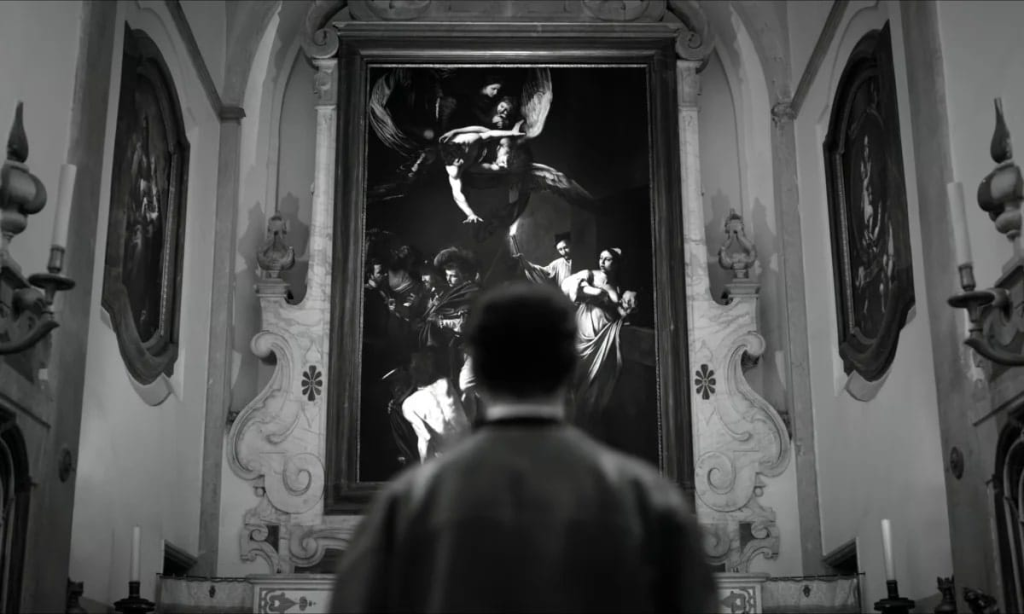
It is comforting to relegate the Dark Triad to fiction—to treat it as a dramatic trope confined to screenplays and psychological thrillers. But reality carries a far quieter, more subtle truth: these traits rarely arrive with dramatic music or overt villainy. More often than not, they sit directly across from us at the dinner table, sharing our dreams, holding respectable credentials, and building business plans.
When you look closely at the architecture of these dynamics, a quiet and discomforting realization begins to take shape. The blueprint is surprisingly common, even if the disguises vary.
One person might operate through an obsession with flawless image-building and strategic influence. Another might move behind the impenetrable fortress of high ethics, rigid rules, and professional duty. On the surface, they appear to have nothing in common. Yet, if the polished glass happens to crack, the underlying mechanics turn out to be identical.
The moment utility runs out or accountability is demanded, the curated performance simply stops. In its place lies a sudden, unnatural stillness—an absence of empathy, a seamless rewrite of history, and a casual indifference to the wake of devastation left behind.
Realizing that such profound detachment can inhabit our inner circles is a surreal shift in perspective. The true architects of illusion don’t live in books. They walk through everyday life, seamlessly integrated into the world precisely because their curation is so flawless—leaving us to wonder just how close to any of us they might actually be.
Looking Behind the Curtain
Coming to terms with the Dark Triad in plain sight is not an exercise in paranoia; it is an awakening.
The haunting lesson of Zaillian’s Ripley is not that the world is inherently wicked, but that we must stop falling in love with the play. We must look past the stark aesthetic, the high-minded rhetoric, and the carefully projected virtue.
The narrative will always look immaculate while the lights are framed just right. But when the curtain falls, control slips, and genuine human suffering demands a heart—believing the coldness you actually see is the only way to break the spell.
visuals are taken from tamsanat.com, sinetopya.com and manifold.com.
Video is embedded via YouTube and all rights belong to the respective rights holders.